When the Glaciers Melt
By editor
Montana
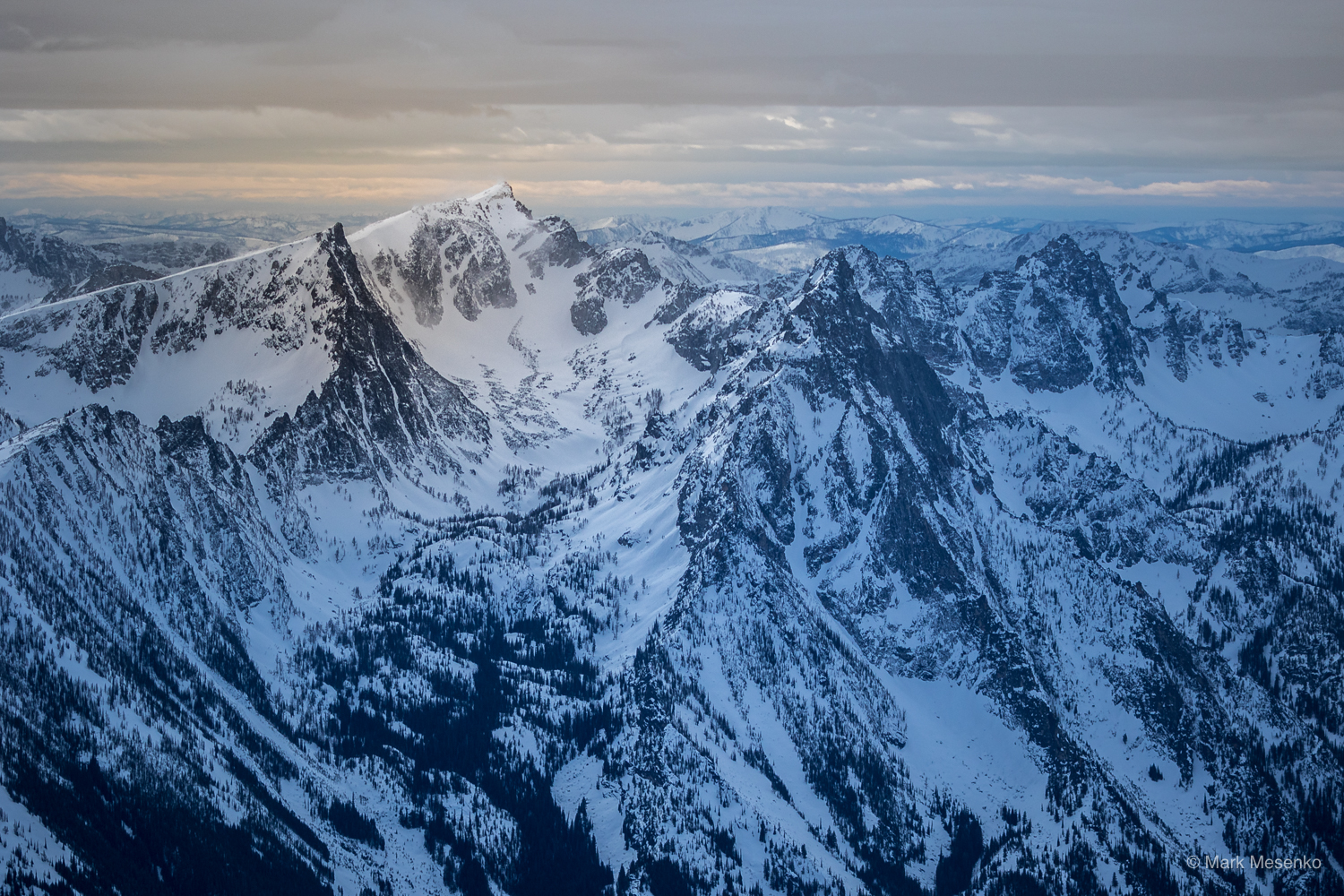
The grand glaciers that once cloaked the broad expanses of Montana during the Pleistocene epoch have receded, yet the land they shaped remains a clear and eloquent narrative, written in stone and earth for those who learn its language. I have often wandered these ancient grounds, tracing the gentle rises and falls of hummocky grasslands dotted with ponds and marshes, each a whisper from a frozen past. Scattered among these fields lie immense erratic boulders--monoliths that have journeyed hundreds of miles, ferried atop relentless rivers of ice. The valleys carved here are broad and U-shaped, their contours forged by the slow, inexorable movement of glaciers that once pressed forward like titanic beasts of ice. These marks are not merely scars upon the earth but chapters from a saga that concluded some 11,000 years ago.
When the glaciers yielded to the warmth of a changing climate, their vast store of ice transformed into torrents of meltwater. This water, once imprisoned in solid form, now sought paths of escape in a landscape still fresh with the imprints of ice. In some places, the meltwaters forged new river channels, their currents swift and eager to reshape the land anew. Elsewhere, basins once choked with ice became tranquil lakes, their surfaces reflecting the sky in serene stillness. Yet in other regions, these waters escaped with catastrophic force, carving deep coulees and sheer cliffs in a matter of days or weeks--a sudden upheaval against the slow patience of geology. Consider the Missouri River, which now courses across central Montana in a path dictated by these ancient floods. Its waters were barred from flowing northward into Canada by still-present ice sheets, compelling the river to find a new, southerly route. This redirection altered the hydrological order, setting the stage for the land’s future.
The glaciers were not mere sculptors of rock and water; they also labored to fashion the very soil beneath our feet. The fertile fields known as the Hi-Line--stretching across Montana north of the Missouri--owe their richness to the glacial till and loess deposited as the ice withdrew. These materials, a mixture of finely ground rock and dust, were spread in vast sheets by the wind and water, creating soils capable of supporting abundant life. Along the banks of the Yellowstone and Missouri rivers, terraces and gravel bars tell of glacial outwash--sediments sorted and carried by streams of meltwater in a natural procession of earth and stone. Each grain of sand and pebble is a fragment of a long-ago journey, an echo of the glacier’s passing.
Yet it is not only the distant past that demands our attention. The glaciers that remain--now but a mere 26 of the 150 known to exist in 1850--are themselves diminishing before our eyes. At Many Glacier Valley, if the heavens grant clarity, one may glimpse five of these ancient ice masses, fragile remnants of a colder age. But their numbers are falling steadily, and as climate warms, even these visible reliquaries of ice will vanish. Such loss will alter the landscape profoundly. The rivers that feed from these glaciers will diminish, their flow less certain. The soils that rely on this steady moisture will dry, and the plants and animals that depend on these conditions will be forced to adapt or perish.
Climate shapes the very fabric of life. Each species is bound by the temperature and moisture ranges within which it can thrive. The treeline--the altitude beyond which trees cannot grow--is itself a living contour, a boundary set by climate’s hand. As the earth warms, this line creeps upward, enabling forests to claim alpine meadows once free from woody shade. I have seen this movement in mountain ranges, where the pines and firs push into higher elevations, altering the character of these open lands. Animals, too, respond to these changes. Some retreat to higher ground, others shift northward, seeking the familiar coolness they once knew. This migration reshuffles ecosystems, sometimes with consequences that we are only beginning to understand.
It is a truth that the landscape we behold today is but a moment in an ever-changing continuum. The earth’s surface temperature has risen approximately 1.5°F over the past century, with warming accelerating in recent decades. The six hottest years on record--2005, 1998, 2002, 2003, 2006, and 2004--speak plainly of this trend. Such changes do not merely melt ice or shift treelines; they alter the very nature of habitats, threatening species with loss and forcing the wilderness to rearrange itself in unfamiliar ways.
In reflecting on these transformations, I recall the words of Louis Agassiz, a naturalist whose studies of glaciers illuminated much of what we know today: “The past is the key to the present.” Indeed, to understand the land and the life it supports, we must read the story written in ice and stone, water and soil. The glaciers, though gone, continue to teach us--through valleys curved in their passage, through rivers rerouted by their melting, and through soils enriched by their retreat. They remind us that nature’s processes are vast and slow, yet capable of sudden and sweeping change.
Standing in the shadow of these ancient forces, one cannot help but feel humility before the patient power of ice and the delicate balance of climate. The Montana I walk today is a world shaped by frozen giants now vanished, a landscape still breathing the memory of ice. To witness the glaciers melt is to witness change writ large upon the earth, a change that calls for our attention and respect.
As I gaze upon the land, I am reminded that the story of glaciers is not only one of past epochs but also of present and future. The earth’s face will continue to shift, shaped by forces both seen and unseen. Our task is to observe carefully, to understand deeply, and to act wisely, so that the wild places may endure for generations yet to come.
See also
- Souvenirs of the Ice Age at Montana
- A Pleistocene Wonderland at Montana
- Mountains on the Move at Montana
Where to Stay in Montana
Affiliate links help support this site at no extra cost to you