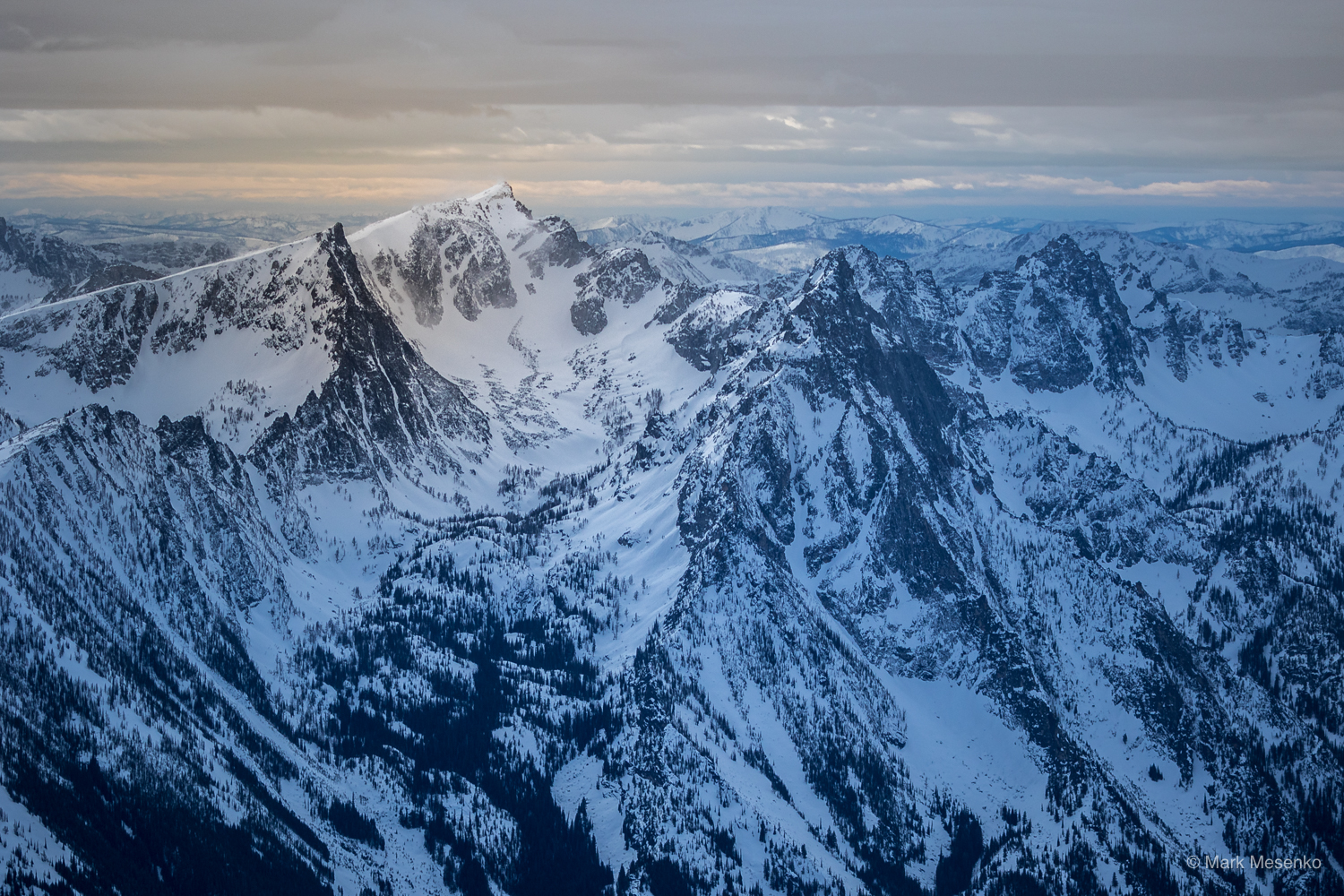
Welcome to the Mission Ranch: Perfect Crow Country
By editor
Livingston, Park County, Montana
In the vast expanse of the American West, where the earth unfolds in grand sweeps of mountain and plain, there lies a region whose very name conjures an image of harmonious abundance and natural grace--the Crow country. It is a land whose qualities were observed and cherished by the Crow people long before the coming of the white man, a land defined by its diversity of climate and the richness of its resources. Chief Arapooish, a leader of the Crow Tribe in the early decades of the nineteenth century, pronounced with an assuredness born of intimate knowledge: "The Crow country is exactly in the right place. It has snowy mountains and sunny plains, all kinds of climates and good things for every season. When the summer heats scorch the prairies, you can draw up under the mountains, where the air is sweet and cool, the grass fresh, and the bright streams come tumbling out of the snow banks... The Crow country is exactly in the right place. Everything good is to be found there. There is no country like the Crow country."
These words, uttered amid the shifting fortunes of tribes and empires, encapsulate a profound truth about this land--known today as the Mission Ranch and its environs in Park County, Montana. The landscape remains much as it was when Lewis and Clark first passed through, a panorama of rolling grasslands, wooded stream corridors, and towering peaks crowned with snow. It is a land where the natural world continues to thrive, where fish still leap in the cold, clear streams and wildlife roams as freely as in times long past.
The Mission Ranch’s enduring vitality owes much to the practice of ranching, which, unlike many forms of agriculture, depends not on the alteration but on the careful stewardship of the land’s natural productivity. For nearly two centuries, cattle have grazed upon these grasses in a manner that seeks to emulate the great herds of buffalo that once thundered across these plains in seasonal migrations. The rancher’s hand, guided by experience and respect for the cycles of the earth, maintains a balance that sustains both animal and plant life. Thus, the grasses and wildflowers that color the horizon today are those that might have greeted the eyes of the Corps of Discovery as they camped here in the summer of 1806.
It was during that fateful expedition that Captain William Clark and his company made their camp across the Yellowstone River from the present Mission Ranch. To the men of the expedition, the land was at once a place of opportunity and of mystery, its vastness both daunting and full of promise. Yet even then, the land was no stranger to human presence. The Crow people had called this country home for generations, their lives intertwined with the rhythms of the seasons, the migrations of game, and the flowing waters that sustained them. It was a land of cultural crossroads, where the fur traders would later bring their influence and the settlers would stake their claims as the nation’s frontier pushed ever westward. The iron rails of the railroad would follow, carving lines through the rugged terrain and heralding an era of transformation and upheaval.
Still, through all the changes wrought by human hands, the Yellowstone River flows on, a constant thread weaving through the fabric of time. It is a river that has witnessed the passing of eras--the rise and fall of empires, the clash of cultures, the struggles of survival and conquest. And it is this river, and the land it nourishes, that the Mission Ranch seeks to honor and preserve through the program known as Undaunted Stewardship. This initiative endeavors not merely to conserve historic sites but to maintain the very soul of the landscape, ensuring that its story remains alive for future generations to experience and understand.
To walk the grounds of the Mission Ranch is to engage with history in its most elemental form. The prairie grasses sway as they did when the buffalo grazed, the trout still dart beneath the ripples of the stream, and the mountains rise against the sky as sentinels of time. These lands bear the marks of human endeavor, from the ancient trails of the Crow to the fur trading posts that dotted the region, to the ranch houses that sprang up with the coming of the settlers. Each chapter of history has left its imprint, yet none has diminished the land’s intrinsic character.
In the autumn, when the air turns crisp and the horses grow fat and strong from the mountain grasses, the Crow people knew that this was a time of plenty and preparation. Chief Arapooish’s words remind us that the land was not merely a backdrop to their lives but a living entity, one whose gifts were to be respected and shared. He spoke not only of the physical attributes of the country but of its spirit--a spirit that endures today in the stewardship practiced at the Mission Ranch.
The history of this region is inseparable from the broader drama of the American West, where competing empires sought control and where diverse peoples--Native Americans, explorers, traders, and settlers--contended for survival and sovereignty. The Mission Ranch lies at the heart of this story, a place where the natural world and human history converge in a manner both profound and instructive.
As you visit and take in the vistas of the Mission Ranch, consider the words of Chief Arapooish and the vision of those who have cared for this land across the centuries. Here is a country where nature’s bounty and human endeavor have found a measure of harmony, where the past remains palpable in the grasses and streams, and where the future depends upon the faithful guardianship of those who cherish its legacy.
In this land, "there is no country like the Crow country," and it is with deep respect and solemn gratitude that we are invited to bear witness to its story.
See also
- Welcome to the Mission Ranch at Livingston, Park County
- Fort Parker at Livingston, Park County
- The Crow and the Yellowstone at Livingston, Park County
Where to Stay in Montana
Affiliate links help support this site at no extra cost to you