
"this spring...blubbers with heat"
By editor
Wisdom, Beaverhead County, Montana, July 1806
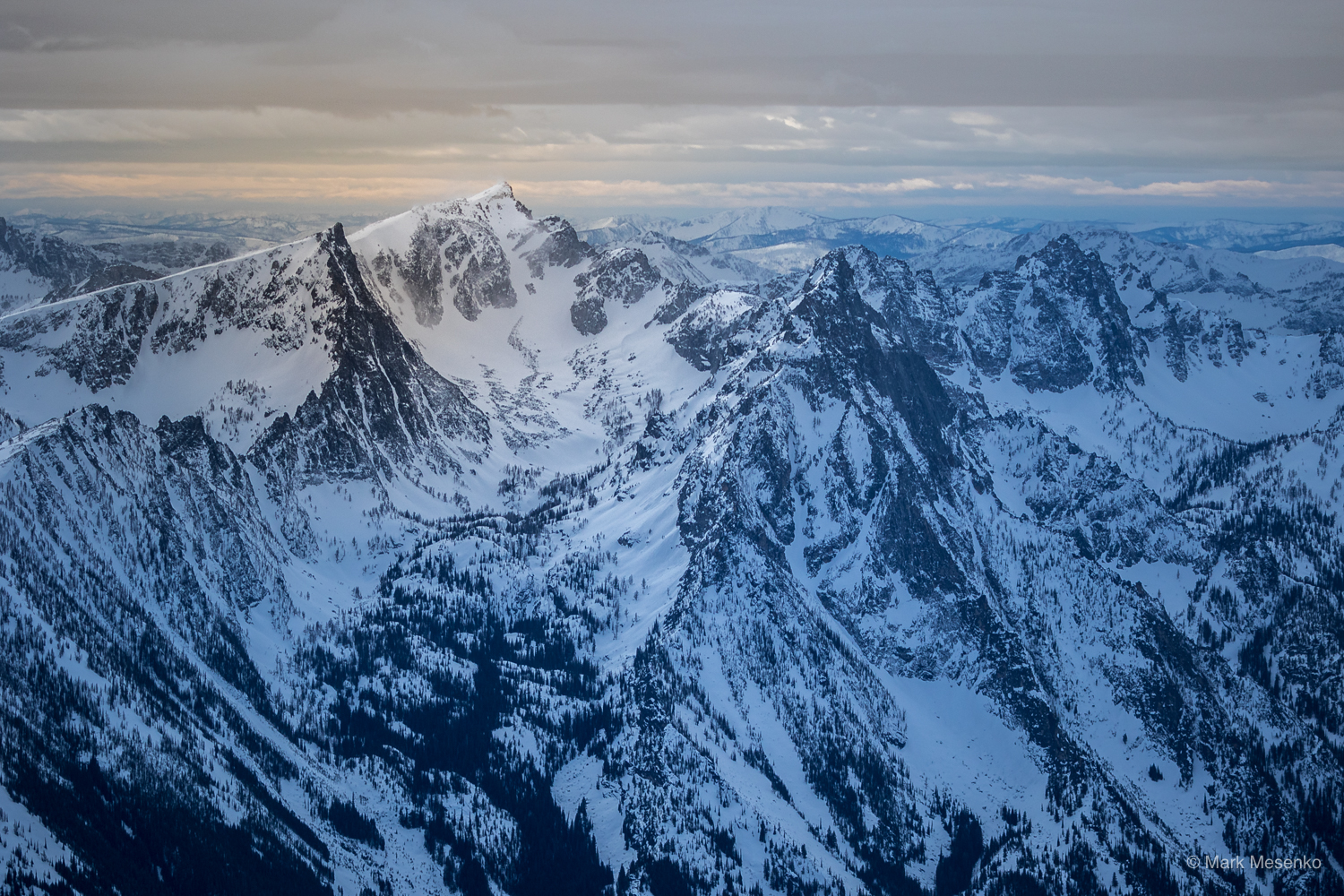
The great interior basin known today as the Big Hole Valley is a theater of magnificent proportions. Ringed by the snow-capped peaks of the Beaverhead and Pioneer ranges, it is a high, grassy amphitheater where the earth itself seems restless. Here, a deep fault system has dropped the valley floor and raised the surrounding mountains, fracturing the crust so that water percolates deep underground, is heated by the subterranean fires, and rises again to the surface in a series of thermal springs.
It was into this steaming, geothermic landscape that Captain William Clark rode on the afternoon of July 7, 1806.
The Corps of Discovery was now divided, executing a grand and perilous return strategy. Captain Lewis had taken a northern route to explore the Marias River, while Clark, accompanied by Sacagawea and a detachment of men, was riding south to Camp Fortunate to retrieve the canoes they had cached the previous summer. The day had begun badly. Nine of their best horses had been stolen in the night by "skulking Shoshones," forcing Clark to leave five men behind to scour the mountains while he pressed on with the main party.
After riding sixteen miles across the "open rich vally," crossing four mirey creeks and a small river that Clark had named the Wisdom (known today as the Big Hole River), the party arrived at a remarkable natural phenomenon.
Situated in the level plain, about a hundred paces from the river, was a boiling spring. It was fifteen yards in circumference, its stony bottom clearly visible through the crystalline water. But it was the temperature that arrested their attention. The spring, Clark recorded in his journal, "contains a very considerable quantity of water, and actually blubbers with heat for 20 paces below where it rises."
It was, he noted, "too hot for a man to endure his hand in it 3 seconds."
To the weary explorers, who had been subsisting on whatever game their hunters could bring down, the spring presented an immediate and practical opportunity: a natural cauldron. Clark, ever the pragmatist, decided to test the geothermic waters.
"I directt Sergt. Pryor and John Shields to put each a peice of meat in the water of different Sises," Clark wrote. The experiment was conducted with scientific precision. "The one about the Size of my 3 fingers Cooked dun in 25 minits the other much thicker was 32 minits before it became Sufficiently dun."
One can easily picture the scene: the great captain of the American enterprise, standing beside a steaming pool in the heart of the Rocky Mountains, timing the boiling of a venison steak while his horses grazed in the high meadow. It was a moment of civilized ingenuity imposed upon the raw wilderness. After dining on their geothermally cooked meat and resting for an hour and a half, the party mounted up and continued their journey toward the cache at Camp Fortunate.
But Clark was not the first, nor would he be the last, to recognize the utility of the hot springs. For generations, the indigenous tribes of the region had utilized the thermal waters. When the fur trapper Warren Angus Ferris passed through the valley in 1833, during the golden age of the mountain men, he observed the sophisticated engineering of the native inhabitants.
"The Indians," Ferris wrote, "have made a succession of little dams, from the upper end to the river; and one finds baths of every temperature, from boiling hot, to that of the river, which is too cold for bathing at any season."
Today, the spring still blubbers with heat, a steaming monument to the restless geology of the Big Hole Valley. The indigenous bathing dams are gone, and the great fur brigades have long since vanished into history. But the water remains, rising from the deep fractures of the earth, just as it did when Captain Clark paused to cook his dinner on the long road home.
See also
- "this spring...blubbers with heat" at Wisdom, Beaverhead County (Erected by Camp Fortunate Chapter, Lewis and Clark Trail Heritage Foundation; Beaverhead-Deerlodge National Forest)
- Big Hole National Battlefield Monument, located nearby, detailing the tragic 1877 conflict
- A Soul-Searching Birthday, marking Clark's 36th birthday at Camp Fortunate
Where to Stay in Montana
Affiliate links help support this site at no extra cost to you
Related Reading
 Montana FactsMontana FactsMontana Facts