The Summer of 1877
By editor
Cooke City, Park County
The wind, a constant, cold companion, whipped at the tattered blankets. It was a summer of movement, a season defined by the relentless pursuit and the desperate flight. For three months, the Nez Perce, the non-treaty bands, had been a phantom, a whisper on the wind, always just beyond the grasp of the military. They were a traveling village, mostly children, women, and the old, their scouts ranging ahead, their rear guarded by watchful eyes, all seeking the impossible: peace in Canada, with Sitting Bull’s Sioux. They moved, guided for a time by a white miner, a captive from Yellowstone Lake, then along an obscure path, over the Absaroka divide.
General Howard’s command, a heavy, determined force, pushed through Cooke City. They found miners, barricaded, rifles at the ready, expecting an attack. But the Nez Perce had bypassed them, a silent current flowing along a drainage to the south. The army, a machine of pursuit, pressed on, over Colter Pass, to find only the cold ashes of an abandoned camp at Crandall Creek. From there, the story, a brutal, inevitable current, swept both Nez Perce and army troops across the Yellowstone River, north to the Bear Paws Mountains, to the final, bitter act of the war.
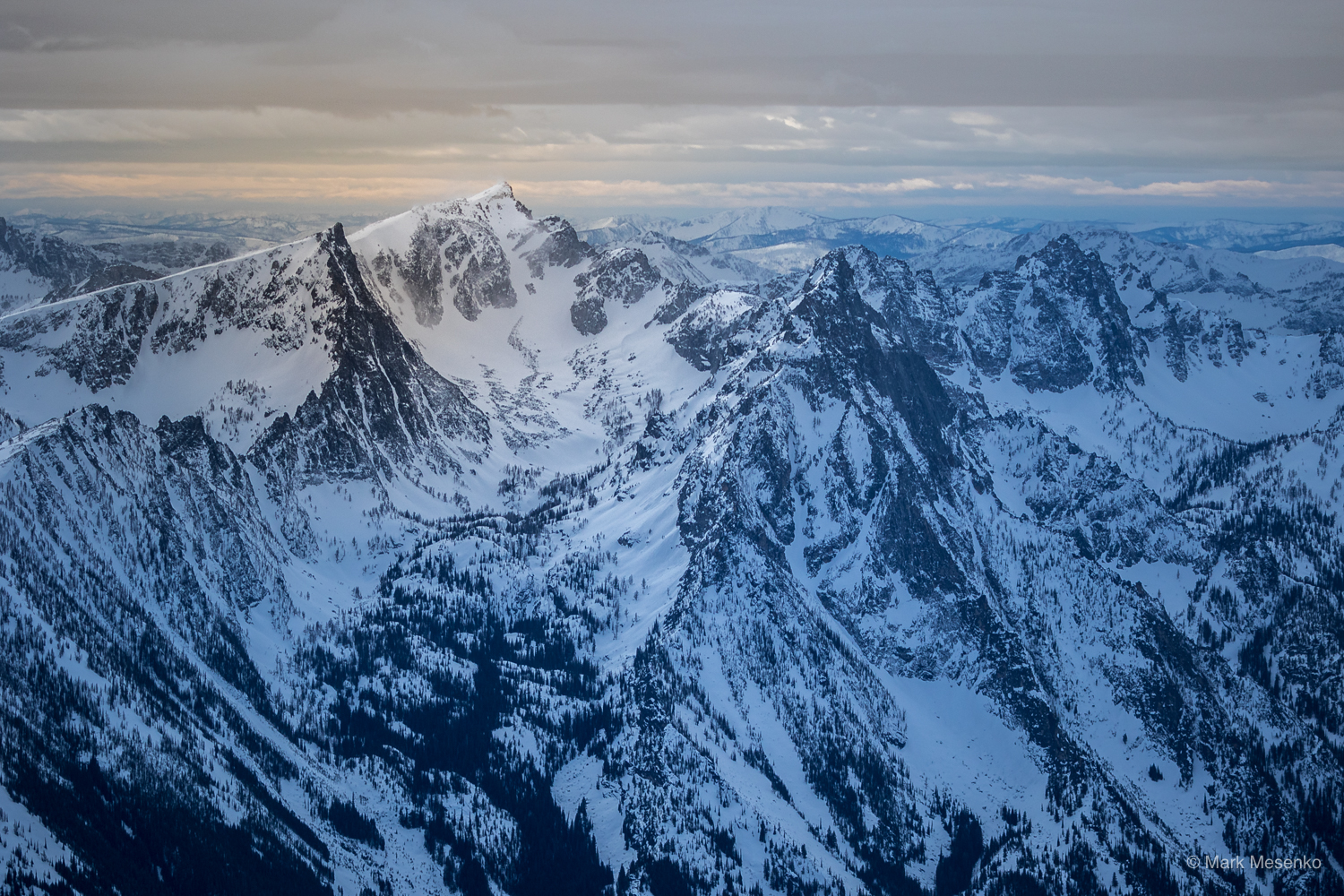
The land itself was an adversary. The Absaroka divide, a tangle of rock and ice, was the toughest country the army had yet faced. Day after day, the climb was relentless, a slow, grinding ascent. By night, the freezing wind tore at their blankets, a constant, chilling reminder of their vulnerability. Many soldiers, their faces etched with exhaustion, doubted they would see the dawn.
Yet, for the Nez Perce, the journey was more than arduous; it was a monument to a will forged in desperation. They faced the same cold, the same physically demanding trail, but they carried with them the weight of 800 souls and 3,000 horses. For almost 85 miles, they moved, a silent, unseen river of humanity, through the rugged terrain, their passage hidden from the pursuing army. The confusion of the military, their scouts killed, their communications broken, only added to the Nez Perce’s ghostly advantage.
Colonel Sturgis’ 7th Cavalry maneuvered, a blunt instrument attempting to cut off an elusive spirit. General Howard’s command, dogged, persistent, pushed from behind. The landscape offered a thousand choices, a thousand deceptions: the Wind River, the Stinking Water River, the Clark’s Fork out of Yellowstone Park. Each path a question, each question a delay.
Chief Joseph, a voice heavy with the weight of his people’s suffering, spoke of the weariness, the cold, the dying children. His words, a stark, unvarnished truth, cut through the official reports and the grand pronouncements of war. He said, “I am tired of fighting. Our chiefs are killed. Looking Glass is dead. Too-hul-hul-sote is dead. The old men are all dead. It is the young men who say yes or no. He who led on the young men is dead. It is cold and we have no blankets. The little children are freezing to death. My people, some of them, have run away to the hills, and have no blankets, no food; no one knows where they are—perhaps freezing to death. I want to have time to look for my children and see how many of them I can find. Maybe I shall find them among the dead. Hear me, my chiefs. I am tired; my heart is sick and sad. From where the sun now stands I will fight no more forever.”
His words, a monument to the brutal reality of their flight, echoed across the cold, indifferent landscape. The summer of 1877 was not a season of glory, but of survival, of a people pushed to the very edge of existence, their hope a fragile thing against the relentless march of an army and the unforgiving embrace of the mountains. The final battle, a foregone conclusion, awaited them in the Bear Paws, a cold, hard fact in a world that offered little warmth.