The Lewis and Clark Expedition
By editor
Livingston, Park County, Montana
In the spring of 1804, two young captains, Meriwether Lewis and William Clark, set forth from St. Louis with a company of men known as the Corps of Discovery. Their charge from President Thomas Jefferson was both ambitious and urgent: to find a continuous water route to the Pacific Ocean through the vast and largely unmapped Louisiana Territory recently acquired from France. What unfolded over the next two years was an extraordinary venture into the continent’s western reaches, an odyssey of natural history, geography, and human encounter that would forever alter the American understanding of the land beyond the Mississippi.
Lewis, a man of restless intellect, prepared for the journey with remarkable intensity. He immersed himself in the study of medicine, botany, zoology, and celestial navigation under the tutelage of noted experts in Philadelphia. His knowledge of healing herbs and keen eye for botanical specimens would prove invaluable as the Corps traveled into unknown wilderness. Jefferson, recognizing the enormity of the task, permitted Lewis to recruit William Clark as co-leader. Clark, a seasoned frontiersman and cartographer, brought a steady hand and practical skills that complemented Lewis’s scientific curiosity. Though their temperaments were unlike -- Lewis brooding and introspective, Clark even-tempered and sociable -- their collaboration endured, grounded in mutual respect and shared purpose.
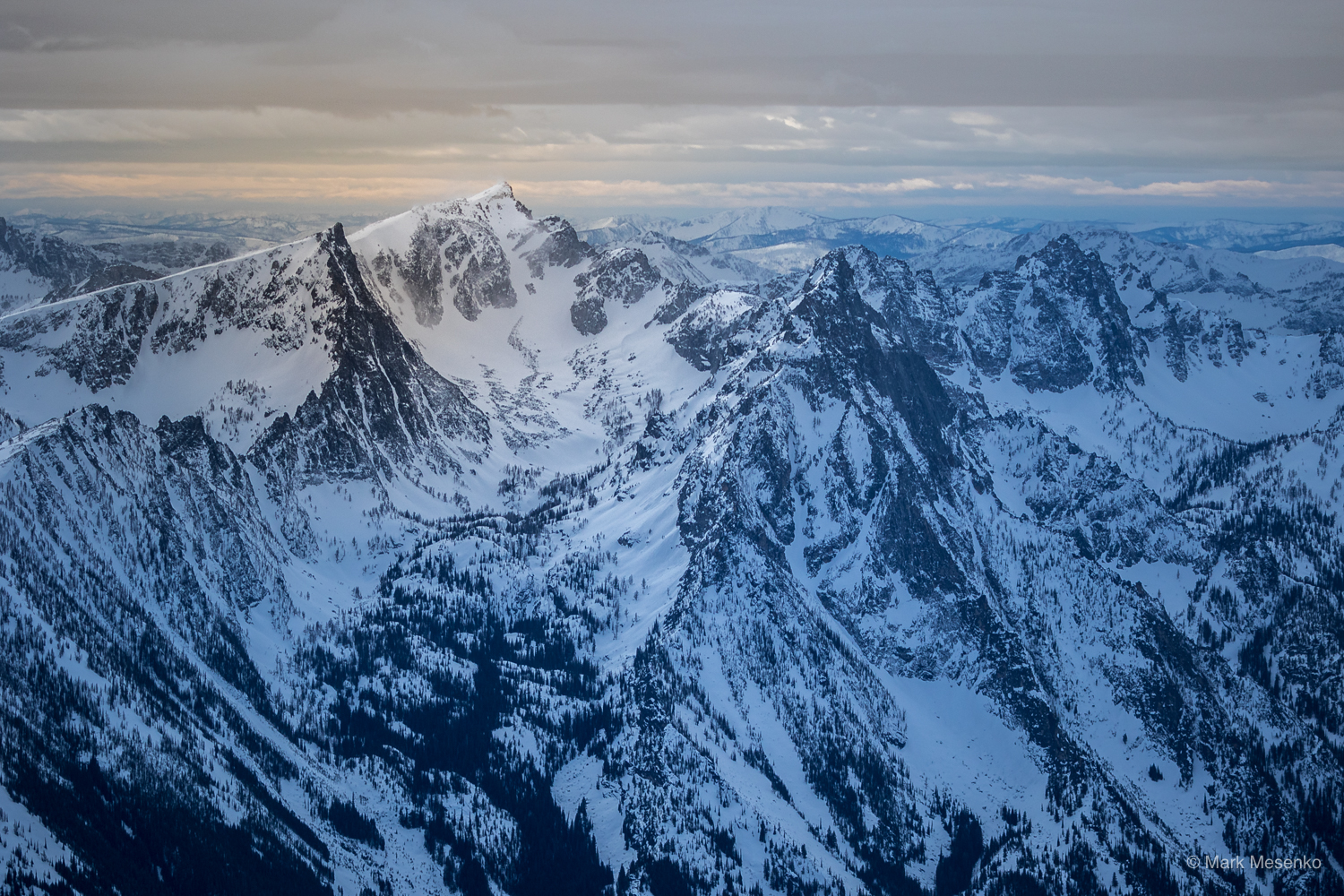
The land they entered was shaped by deep geological forces, a panorama of mountains, rivers, and prairies carved over eons. Approaching what is now Park County, Montana, the Corps encountered the Yellowstone River, which on July 15-17, 1806, became a corridor of discovery on Captain Clark’s return journey from the Pacific. The Yellowstone here is a braided river, its waters clear and cold, fed by melting snow from the Absaroka and Gallatin mountain ranges. These peaks, remnants of volcanic activity dating back some 50 million years, rise abruptly to the south, their summits often capped with snow even in midsummer.
Clark’s journal entries from this stretch reveal a man captivated by the natural riches around him. He noted the “great numbers of elk, deer, and buffalo” grazing along the riverbanks, a landscape teeming with life. The bison, or American buffalo (Bison bison), once roamed these plains in immense herds, their pounding hooves shaping the soil and grassland ecology. Clark’s meticulous observations were not merely records; they were precise accounts of species behavior and habitat. He wrote, “The country is level and well timbered, with cottonwood trees along the river… the river itself is very broad and deep, about 300 yards wide, with a strong current.”
The expedition’s scientific rigor extended beyond zoology. Lewis and Clark collected samples of plants unfamiliar to Euro-Americans, cataloging species such as the bitterroot (Lewisia rediviva), Montana’s state flower, with its delicate pink blossoms nestled among rocky outcrops. They also documented the geological formations that would later intrigue scientists like Ferdinand V. Hayden, who in the 1870s conducted extensive surveys of the Yellowstone region. The volcanic and sedimentary layers here tell a story of ancient seas, lava flows, and glacial sculpting, shaping the rugged terrain the Corps traversed.
Beyond natural history, the expedition was a profound encounter with Indigenous peoples, whose knowledge and hospitality were critical to the Corps’ survival and success. On the Yellowstone, tribes such as the Crow and Hidatsa had established seasonal camps, living in harmony with the land’s rhythms. Clark’s journals recount exchanges of goods and information, and the careful diplomacy required to navigate these relationships. He observed the Crow’s use of horses and their skill in hunting buffalo, learning from their intimate understanding of the landscape.
The modern visitor to Park County may find it difficult to reconcile the current landscape with that which greeted Lewis and Clark. The rivers have been impounded, forests thinned or converted to timber stands, and prairies broken by roads and farms. Yet, the river’s channels still whisper of the time when its waters ran free and wild, a thoroughfare for salmon and cutthroat trout (Oncorhynchus clarkii), which Lewis and Clark identified and named. The surrounding hills retain traces of the lush ponderosa pine (Pinus ponderosa) and Douglas fir (Pseudotsuga menziesii) forests that blanketed the slopes, their needles scenting the air with resin and earth.
Clark’s reflections on the natural world were grounded in observation and wonder, but also in the practical concerns of survival and navigation. In a journal entry dated July 16, 1806, he wrote, “The weather is very warm, the river is high and swift, the country abounds with game of all kinds.” This succinct statement reveals the dual nature of the expedition -- a scientific quest intertwined with the demands of daily life in the wilderness.
The legacy of the Lewis and Clark Expedition extends far beyond the maps and specimens they left behind. Their journey opened pathways for subsequent explorers, settlers, and scientists to understand the complex landscapes of the American West. As a naturalist who wandered the high mountains and river valleys of Montana decades later, I find in their records a profound connection to the land -- not through romanticized visions, but through careful, detailed witness to the living world.
Today, standing on the banks of the Yellowstone River near Livingston, one can almost hear the voices of Lewis and Clark in the rush of water and the call of the meadowlark. Their expedition was not merely an adventure but a foundational chapter in the unfolding story of this continent’s natural and human history. As Clark himself noted, “The face of the country is a continual round of hills and valleys, interspersed with timber and prairie… The grandeur and beauty of the scenes around us are truly magnificent.”
See also
- The Lewis and Clark Expedition at Livingston, Park County
- First Lewis and Clark Trail Marker at Livingston, Park County
- At the Yellowstone at Livingston, Park County
Where to Stay in Montana
Affiliate links help support this site at no extra cost to you