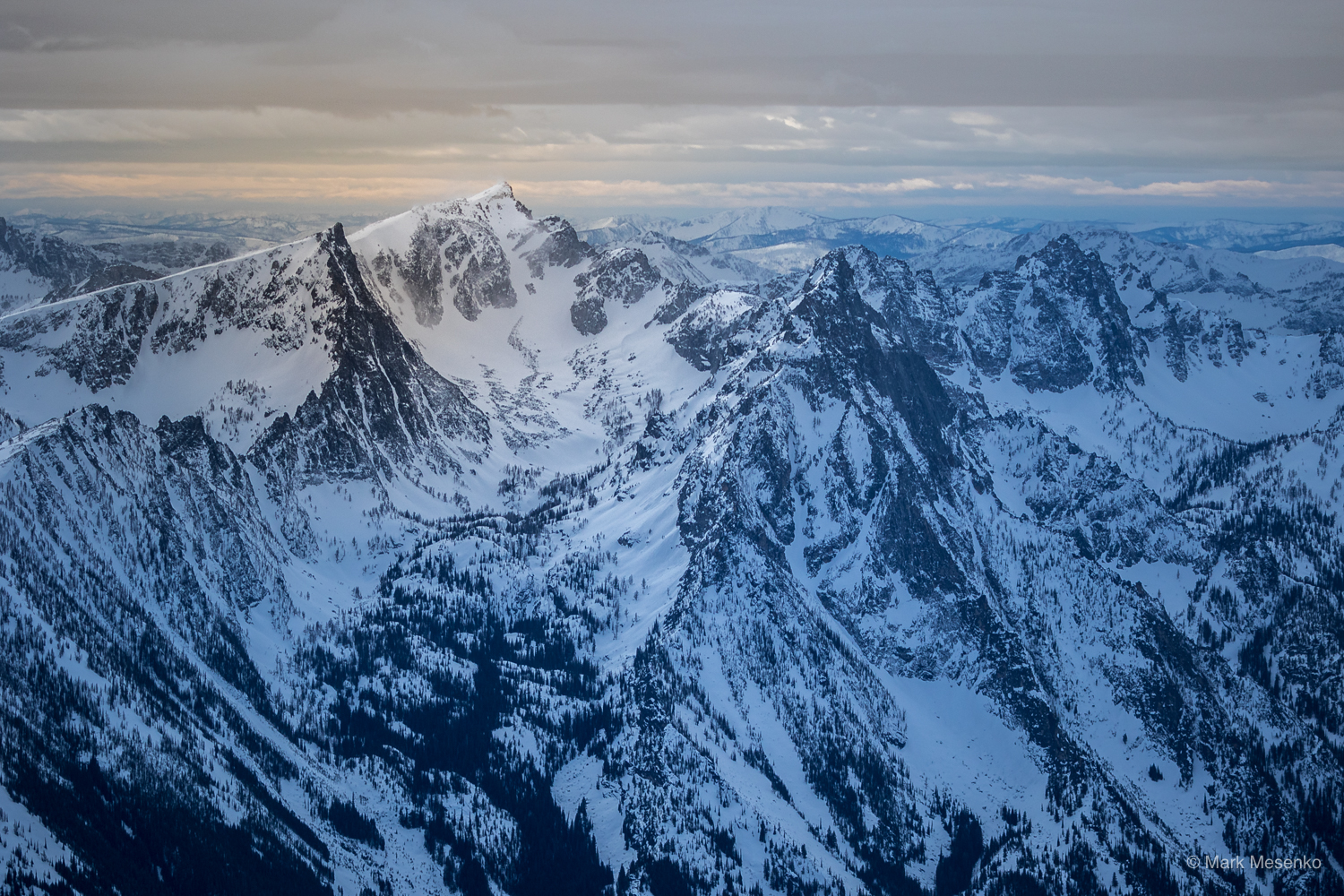
Nez Perce National Historical Park
By editor
Chinook, Blaine County, Montana
The Nez Perce people -- Nee-Me-Poo, meaning “the real people” -- have always been a nation defined not by rigid boundaries but by a way of life in motion. For countless generations, their presence was woven through the shifting seasons and the lands they knew intimately. In spring, they moved to camas prairies, harvesting the vital camas root; summer brought their migration to the salmon-rich rivers; autumn led them toward the buffalo hunting grounds; and winter found them sheltered in the valleys along the Clearwater and Snake rivers. This seasonal migration was not aimless wandering, but a profound knowledge of the landscape that sustained their people.
The Nez Perce National Historical Park reflects this expansive geography by comprising thirty-eight sites scattered across four states -- Idaho, Oregon, Washington, and Montana. These places are not simply points on a map but chapters in a long story -- historic villages, sites of treaties and battles, places of legend, and the very rivers where the Nez Perce met members of the Lewis and Clark Expedition in 1805. The park’s experience involves a journey through both time and space, honoring a lifetime of movement and encounters that shaped the Nez Perce identity.
Among these sites, the Bear Paw Battlefield in Montana holds a solemn place. It marks the end of the 1877 Nez Perce War and the conclusion of a desperate flight across more than 1,170 miles of terrain. It was here on October 5, 1877, that Chief Joseph surrendered to General Oliver O. Howard. Joseph’s words at surrender have become well known: “I am tired of fighting. Our chiefs are killed... From where the sun now stands, I will fight no more forever.” Yet these words speak not of defeat, but of a people exhausted by relentless pursuit and broken promises. The Bear Paw Battlefield is the last chapter in a story that began long before.
That story begins with an encounter of a different sort. In September 1805, after months of hardship crossing the Bitterroot Mountains, the Lewis and Clark Corps of Discovery arrived at the land of the Nez Perce. Starving and weary, the expedition was given food and shelter. Nez Perce leaders like Chief Twisted Hair and the young Chief Cameahwait extended generosity and wisdom. They assisted the explorers in building canoes to navigate the Columbia River. This cooperation was a rare moment of mutual respect and survival, a meeting of two worlds under difficult circumstances.
The relationship between the Nez Perce and the expanding United States, however, would grow complex and strained. Throughout the 19th century, the U.S. government sought to confine the Nez Perce to reservations, forcing them to cede large portions of their ancestral homeland. Treaties were negotiated but often under duress or with unclear terms. The Wallowa Valley in northeastern Oregon was a significant homeland for the Nez Perce bands led by Chief Joseph’s father, Old Joseph. This valley was sacred ground, rich with resources and cultural meaning.
In 1863, a treaty drastically reduced Nez Perce lands, creating what became known as the “1855 Treaty” reservation, but many bands never accepted this agreement. The non-treaty bands continued to live in their traditional areas. By 1877, the government demanded that all Nez Perce move onto the reservation within thirty days. This ultimatum was impossible to meet without abandoning homes, graves, and their way of life. Refusing to be driven from the Wallowa Valley, the non-treaty bands prepared for resistance.
This refusal led to the conflict known as the Nez Perce War of 1877. Under leaders such as Chief Joseph, Looking Glass, and White Bird, the Nez Perce undertook a strategic and courageous effort to escape the U.S. Army. Their flight covered mountains, rivers, and plains, moving northeast through Idaho and into Montana. The Nez Perce demonstrated remarkable skill in evading capture and engaging in skirmishes, often outnumbered and outgunned.
General Howard pursued them relentlessly, determined to end their resistance. The war culminated near the Bear Paw Mountains, just 40 miles from the Canadian border where the Nez Perce hoped to find refuge. Surrounded and outnumbered, Chief Joseph made his famous surrender speech, expressing both the sorrow and enduring spirit of his people.
The Nez Perce National Historic Trail traces this route of flight, preserving the memory of a journey marked by resilience and tragedy. It stretches 1,170 miles and connects many of the sites that the Nez Perce passed during their attempt to reach freedom. Together with the National Historical Park, the trail offers a means to understand the encounter between two nations -- one defending its sovereignty and way of life, the other expanding a new order.
These events did not end with the war. The Nez Perce people were removed far from their homelands to reservations in Idaho and Washington, where they faced hardship and loss. Yet the Nez Perce have persevered. Their culture and language remain vital, their stories told and retold by their own voices.
The park and trail invite visitors to see history not only through the eyes of the American government or military but through the perspective of the Nee-Me-Poo themselves. As Chief Joseph said later, reflecting on the loss and hope of his people, “It does not require many words to speak the truth.” These words remind us that history is not just about dates and battles, but about human lives shaped by the land and by encounters that continue to influence our present.
The Nez Perce National Historical Park, scattered across four states, embodies the enduring presence of the Nez Perce people on their traditional landscape. It offers opportunities to walk in the footsteps of ancestors, to hear their voices in the wind, and to appreciate a history that remains unfinished.
See also
- Nez Perce National Historical Park at Chinook, Blaine County (National Park Service)
- Bear Paw Battlefield at Chinook, Blaine County
- Chief Joseph's Surrender at Chinook, Blaine County
Where to Stay in Montana
Affiliate links help support this site at no extra cost to you