First Impressions
By editor
Sula, Ravalli County, Montana, September 1805
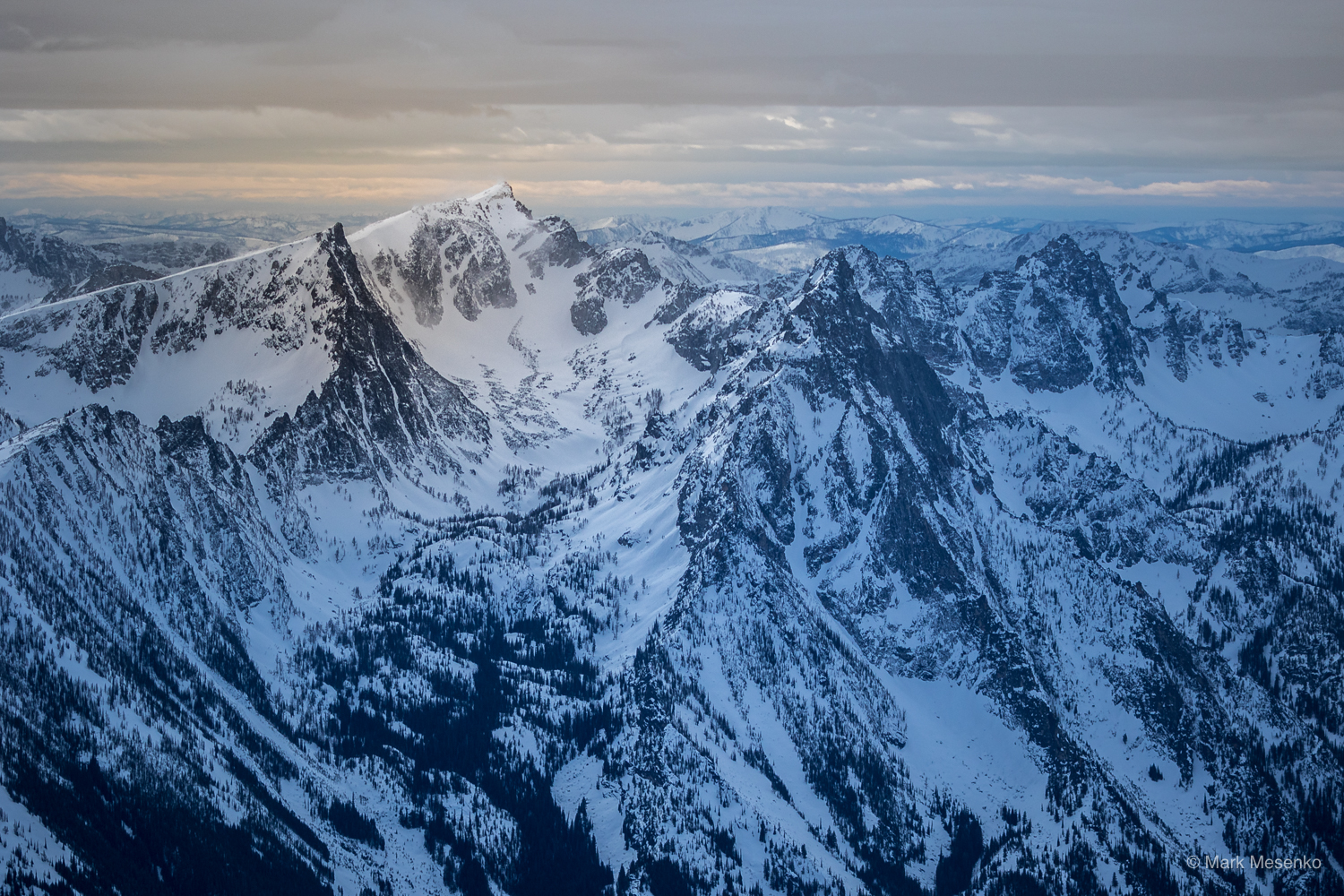
If you want to make a good first impression on a stranger, it is generally considered polite to wear clothes. Or, failing that, to at least wear a blanket. But when Captains Meriwether Lewis and William Clark came stumbling down out of the Bitterroot Mountains into Ross' Hole on the fourth of September, 1805, they were fresh out of etiquette and entirely out of blankets.
They were also out of food, out of luck, and nearly out of their minds with the cold. The morning had opened with a heavy frost, their moccasins were frozen solid, and their fingers ached so badly they could barely hold their rifles. They had spent the day thrashing through a thicket of balsam fir, sliding down a steep, rocky descent, and dining on a single deer, the guts of which were eagerly consumed by their Shoshone guide, Old Toby, who apparently possessed a cast-iron stomach and a very loose definition of dinner.
Waiting for them at the bottom of this miserable descent was a band of the Séliš nation, or Flatheads, as the explorers mistakenly called them, though their heads were as round and sensible as anybody else's. There were about four hundred of them, camped in thirty-three leather lodges, with a herd of five hundred horses grazing peacefully in the valley.
Now, put yourself in the moccasins of Chief Three Eagles. He had ridden out that morning to scout for Blackfeet horse thieves, a common and irritating occupational hazard in those parts. Instead of Blackfeet, he saw a procession of thirty-odd strangers picking their way down the mountain. Two men rode in front; the rest walked, leading packhorses. They were making no effort to hide, which ruled out a war party. But what truly baffled the old Chief was their wardrobe.
They wore no blankets. To a Séliš chief in 1805, a man without a blanket was a man who had either lost his mind or his luggage. Three Eagles stared at them. He looked at York, Clark's enslaved African American companion, and wondered if he was a warrior who had painted himself entirely black for battle. He looked at the ragged, shivering, blanketless white men and decided that whatever they were, they were too pathetic to be dangerous.
So, he did what any civilized host would do when confronted with a band of freezing, starving, poorly dressed vagrants: he threw a party.
When Lewis and Clark arrived at the camp, the Séliš did not reach for their bows. Instead, they brought out their best white buffalo robes, threw them over the shoulders of the shivering captains, and put their arms around their necks in a great, suffocating embrace of friendship. They lit the pipes of peace. And then, because the Séliš themselves were entirely out of meat, they brought out the only food they had: dried serviceberries, cherries, and roots.
It was not exactly a banquet at the Astor House, but to men who had been chewing on parched corn and deer guts, it was a feast. "We Encamped with them & found them friendly," Clark wrote in his journal, noting with approval that the Indians were "Stout & light complected more So than Common for Indians." Private Joseph Whitehouse was equally charmed, calling them "decent looking people" who were "well cloathed with Mo. Sheep and other Skins."
The Séliš, for their part, were probably just relieved that these strange, lisping, blanketless men were not Blackfeet. The two groups sat around the fires, smoking and trying to understand each other through a five-language translation chain that must have sounded like a flock of geese arguing with a waterfall. But the core message got through: we are hungry, you are generous, and neither of us is going to shoot the other today.
It was a historic meeting, the first contact between the Séliš and the white man. And it stands as a comforting reminder that sometimes, even when you show up to a party freezing, starving, and entirely underdressed, people will still offer you a blanket and a handful of dried cherries.
See also
- First Impressions at Sula, Ravalli County (Erected by U.S. Forest Service, National Park Service, Montana Department of Transportation)
- Lewis and Clark at Ross' Hole, detailing the broader encounter at this site
- Which Way Did Lewis & Clark Go?, the story of their brutal ascent up the North Fork of the Salmon River
Where to Stay in Montana
Affiliate links help support this site at no extra cost to you