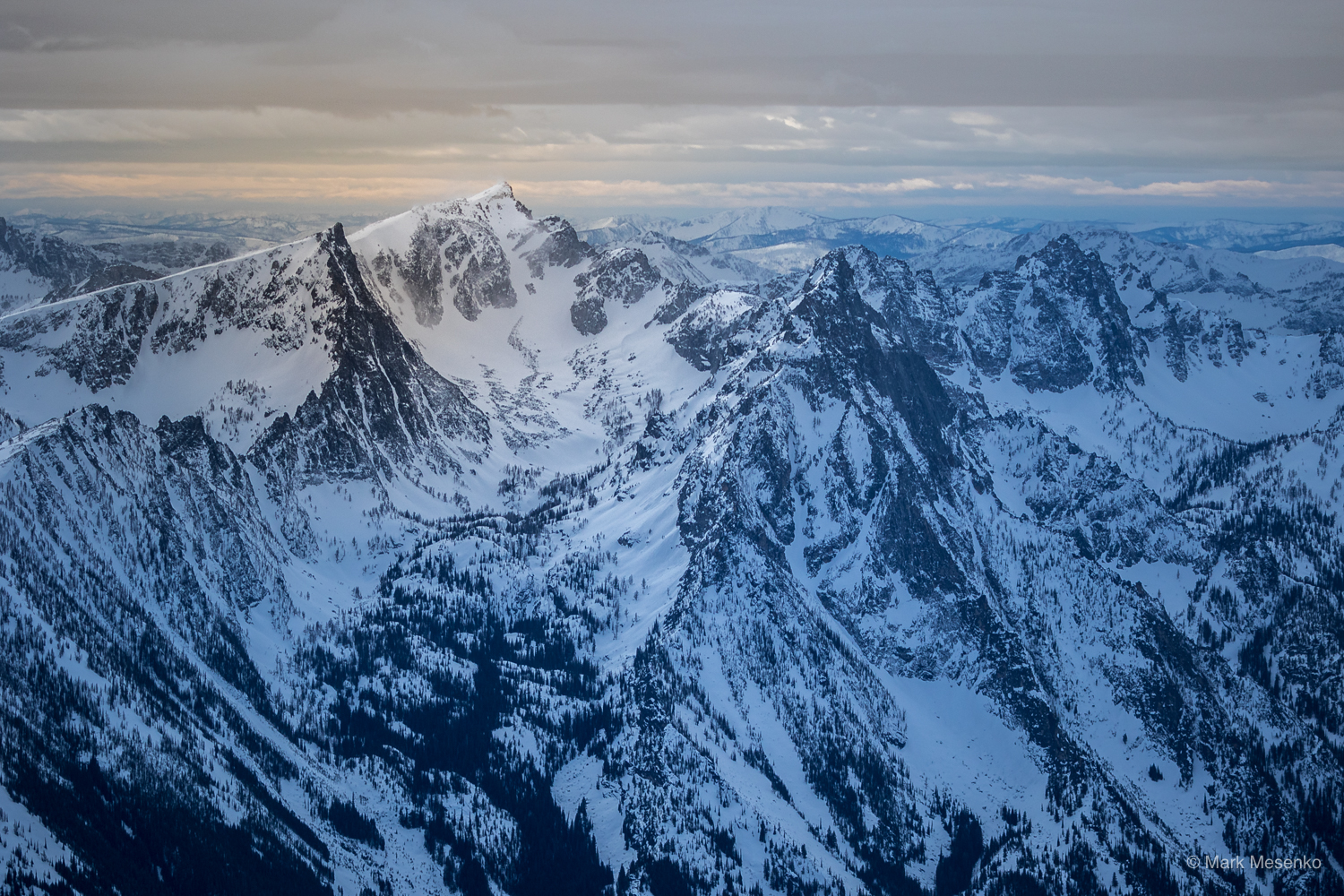
Why Move to Plains?
Plains is a small town of 1,106 people in Sanders County County, sitting at 2,467 feet in elevation. Known as "The Garden of the Clark Fork," it combines the best of Montana living — stunning natural beauty, outdoor recreation, and a strong community — with authentic small-town charm.
Montana has no state sales tax and no tax on retirement income, making it financially attractive for both working professionals and retirees. Plains specifically offers 187 recreation and attraction sites nearby, a housing affordability ratio of 15.8x, and four distinct seasons.
Cost of Living in Plains
The typical home value in Plains is $389,894, with homes currently listing at a median of $634,150. Renters can expect to pay around $782 per month. The median household income is $24,661.
The affordability ratio (home price ÷ income) is 15.8x, which is on the expensive side, reflecting strong demand.
Montana has no state sales tax, which saves residents money on everyday purchases. The state also has no tax on Social Security or other retirement income. Property taxes are moderate, based on assessed value.
Plains Housing Market
There are currently 34 homes for sale in Plains — up 6.3% from last year, indicating a loosening market. The community has 699 total housing units with a 12.9% vacancy rate.
Inventory data from Zillow Research (Jan 2026). Vacancy & housing units from U.S. Census Bureau ACS 5-Year 2019–2023. Market conditions change — verify current listings before making decisions.
See detailed housing data and percentile rankings on the full Plains profile.
Plains Weather & Climate
Plains experiences four distinct seasons. Summers are warm with July highs averaging 87°F. Winters are relatively mild with January lows around 21°F. Expect about 20" of snow annually.
| Month | Avg High | Avg Low | Precip | Snow |
|---|---|---|---|---|
| Jan | 38°F | 21°F | 1.8" | 4" |
| Feb | 36°F | 16°F | 2" | 4.5" |
| Mar | 47°F | 24°F | 1.2" | 2" |
| Apr | 55°F | 32°F | 1.6" | 1.6" |
| May | 67°F | 41°F | 2.4" | 0.1" |
| Jun | 76°F | 49°F | 1.8" | 0" |
| Jul | 87°F | 55°F | 0.4" | 0" |
| Aug | 86°F | 56°F | 0.9" | 0" |
| Sep | 75°F | 48°F | 1.2" | 0.1" |
| Oct | 59°F | 36°F | 1.7" | 1.4" |
| Nov | 44°F | 27°F | 2.2" | 2" |
| Dec | 38°F | 23°F | 2" | 4.1" |
Outdoor Recreation Near Plains
Plains has access to 187 recreation and attraction sites spanning 19 categories. Glacier National Park (West Glacier) is just 83 miles away. For skiing, Snowbowl is 46 miles from town.
Top Nearby Attractions
- Symes Hot Springs (Hot Spring) — 12 miles
- Alameda Hot Springs (Hot Spring) — 12 miles
- Wild Horse Hot Springs (Hot Spring) — 13 miles
- Quinn's Hot Springs (Hot Spring) — 15 miles
- Snowbowl (Ski Area) — 46 miles
- Blacktail Mountain (Ski Area) — 47 miles
- Cabinet Mountains Wilderness (Wilderness) — 48 miles
- Mission Mountains Wilderness (Wilderness) — 49 miles
Rivers
Flathead River, Swan River, Clark Fork River are all within reach for fishing, floating, and kayaking.
Lakes
Nearby lakes include Smiley Slough, Upper Dry Fork Reservoir, Hazel Lake, Hub Lake, Mary Lake.
Hot Springs
Symes Hot Springs (12 mi), Alameda Hot Springs (12 mi), Wild Horse Hot Springs (13 mi) — perfect for soaking after a day on the trails.
Explore all 187 recreation sites on the full Plains profile.
Jobs & Economy in Plains
Plains has an unemployment rate of 3.6%, which is moderate. The labor force participation rate is 54.5%, which is below average — common in retirement and college communities.
The top industries by employment are Retail (23.4%), Education & Healthcare (22.6%), Construction (15.8%). Approximately 505 residents are employed locally.
Employment by Industry
| Industry | Share of Employment |
|---|---|
| Retail | 23.4% |
| Education & Healthcare | 22.6% |
| Construction | 15.8% |
Montana has no state sales tax and no tax on retirement income, making it attractive for both workers and retirees.
Employment and industry data from U.S. Census Bureau ACS 5-Year 2019–2023. Current conditions may differ.
Schools & Education
Plains is served by the Plains Public Schools school district with approximately 350 students enrolled. The high school graduation rate is 90%, which is above the Montana state average of ~87%.
Graduation rates from OPI/NCES 2022–23. Per-pupil spending from Montana OPI fiscal data.
Healthcare in Plains
Plains has its own hospital — Clark Fork Valley Hospital (18 beds). For advanced or emergency care, Providence St. Patrick Hospital in Missoula (Level 2 Trauma Center) is 57.6 miles away.
Hospital data from MT DPHHS 2024. Verify services directly with facilities.
Getting to Plains
Plains is accessible via the following airports:
- Bozeman Yellowstone Intl — 254 miles (269 min drive)
- Billings Logan Intl — 386 miles (401 min drive)
- Missoula Intl — 64 miles (79 min drive)
- Glacier Park Intl (Kalispell) — 79 miles (94 min drive)
- Great Falls Intl — 197 miles (212 min drive)
Pros & Cons of Living in Plains
Pros
- No state sales tax
- 187+ recreation sites nearby
- Strong schools (90% grad rate)
- Milder winters than eastern Montana
- Skiing at Snowbowl (46 mi)
- Near Glacier National Park (West Glacier)
- Has a local hospital
- Strong healthcare access
- Authentic small-town community
- No state income tax on retirement
Cons
- Cold winters
- Housing costs above national average
- Limited housing inventory
- Limited shopping and dining options
- Distance from major metro areas
- Airport is a significant drive
Frequently Asked Questions
What is the cost of living in Plains, Montana?
The typical home value is $389,894 and rent averages $782/month. The median household income is $24,661. Montana has no state sales tax, which helps offset costs.
What are winters like in Plains?
January lows average 21°F with about 20" of annual snowfall. Compared to eastern Montana, winters here are relatively mild.
Is Plains a good place to live?
Plains offers 187 nearby recreation sites, a higher affordability ratio of 15.8x, and four distinct seasons. It's 83 miles from Glacier National Park (West Glacier). Montana's lack of sales tax and retirement income tax are significant benefits.
How many homes are for sale in Plains?
As of early 2026, there were 34 homes for sale in Plains, up 6.3% from the prior year. The community has 699 total housing units with a 12.9% vacancy rate (Census ACS 2019–2023). Check Zillow or local MLS for the most current listings.
What is the job market like in Plains?
Plains has a 3.6% unemployment rate. Labor force participation is 54.5%. About 505 residents are employed locally. The leading industry is retail. Montana has no state sales tax, which benefits both businesses and consumers.
How are the schools in Plains?
The Plains Public Schools school district has a graduation rate of 90%, above the Montana state average of ~87%. Approximately 350 students are enrolled.
What healthcare is available in Plains?
Plains has a local hospital, Clark Fork Valley Hospital. The nearest major trauma center is Providence St. Patrick Hospital in Missoula, 57.6 miles away. There are 7 hospitals within 60 miles.
Where is the nearest skiing to Plains?
Snowbowl is 46 miles from Plains. The area receives about 20" of snow annually.